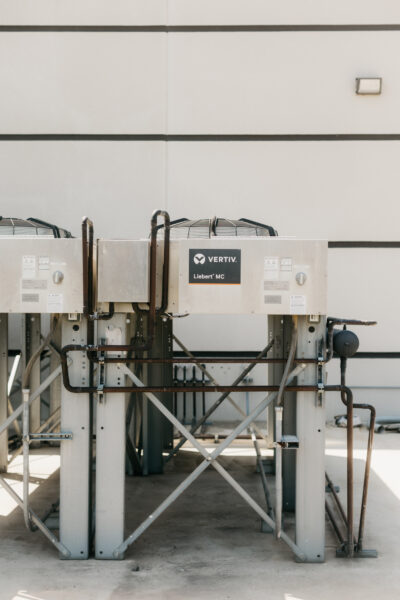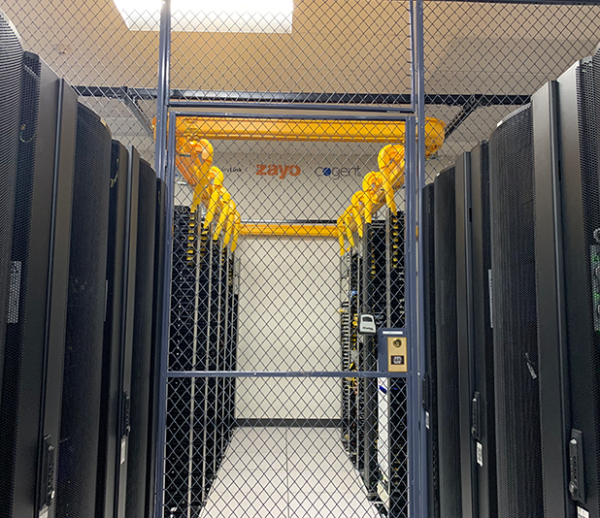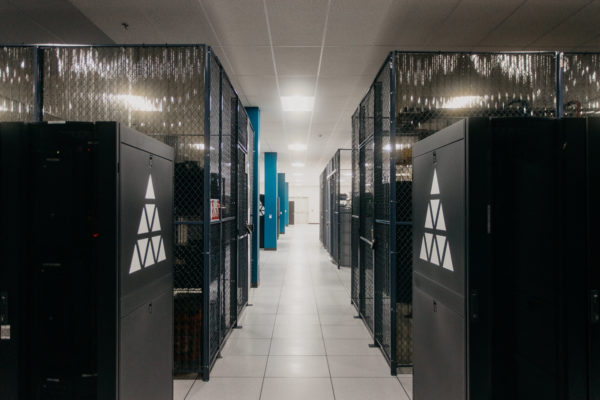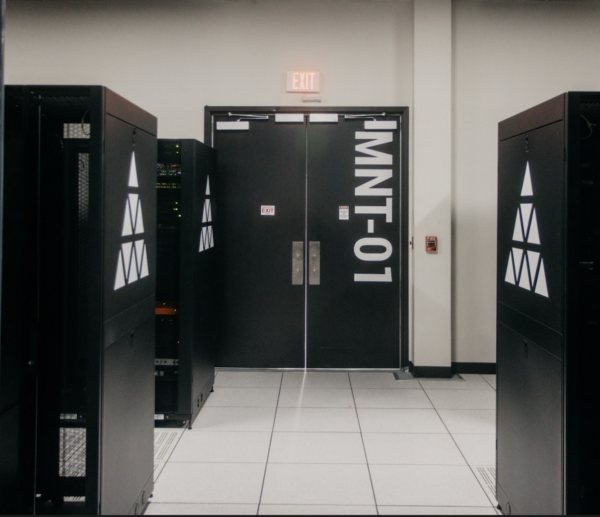



We're more than just another data center.
We are committed to providing exceptional levels of uptime, by being fully fault tolerant, with our experienced team of trusted professionals delivering an experience people love.
Breaking Ground on HOU2
We broke ground on HOU2, the next major expansion of our Houston campus. This new development will add 110,000 square feet of purpose-built space and deliver 24 Megawatts of secured, fault-tolerant capacity. HOU2 Phase 1 will come online in Q4 2026, supporting high-density AI, cloud, and enterprise workloads as our campus continues its long-term growth.
HOU1 Phase 2 expansion
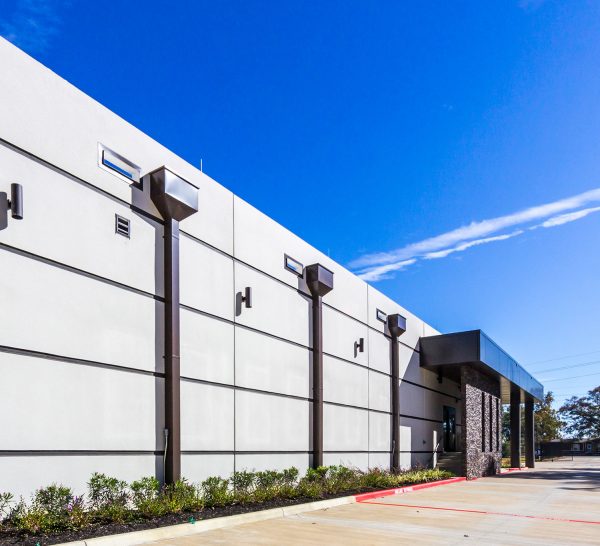
TRG Datacenters begun & completed the construction on Phase 2 of their Spring, TX data center. This expansion allowed for an additional 10,000 square feet of useable space. This new development allowed our data center to have a 2.25 Megawatt fault tolerant load, expanding to 6 Megawatts once the total building is complete.
TRG Houston One is open for business.
We opened our doors with zero debt on the property, and cash flow positive very early on. This master planned 24 MW facility represents a new best in breed colocation datacenter, opening the doors with 5 key carriers available day one.
Key GNAX Principals form Technical Realty Group (TRG Datacenters)
This brand would represent our long term vision of data centers as we expand nationally for many years to come. We evaluated multiple markets to build into, and ultimately selected Houston for our first site under this brand. Houston historically had a lack of purpose built inventory that addressed the specific needs of the market. Analyzing over 150 sites around the Houston area, we finalized and closed on our Spring, TX location.
The AtlantaNAP is acquired by zColo, a subsidiary of Zayo Networks.
This sale represented a key transition from being an entrepreneurial endeavor to a national datacenter design and capital group.
GNAX laid the foundation of what came to be the largest privately owned datacenter in the State of Georgia.
With key accounts such as Emory Healthcare, and Piedmont Hospitals, we became the #1 provider of colocation to Healthcare IT in the state. In evolving our design with these long term partnerships, we found that most datacenters are not built to the life critical standards needed. This uniquely positioned us to expand our success beyond healthcare, closing key accounts such as Citrix Online.
GNAX opens a Dallas facility to accommodate additional expansion into other markets.
We would also go on to expand managed services to include one of the first HIPAA compliant clouds, and the most robust network in the State of Georgia. As part of our focus on healthcare, we started a software company that was later acquired by a subsidiary of Lexmark. This software was a DICOM image exchange platform, one of the first of its kind.
GNAX Opens the AtlantaNAP, the start of our journey of feedback based design in datacenters.
The facility was chosen for its favorable characteristics with respect to cooling, proximity to fiber, and ability to reach multiple sub-stations. Ultimately, we became the first public colocation facility in the world to feature active-active feeds between multiple sub-stations.
We occupied multiple floors of 56 Marietta Street in Atlanta, GA.
Beyond hosted services, we were supplying managed colocation for clients at the rack level. To accommodate growth, we began to look at larger options which led for us to find and begin construction on the 1100 White Street location, a 75,000 square foot facility.
GNAX continues to grow business through early dot com days.
We focused on strong financials and high growth markets while investing in growing data center facilities.
Global Net Access (GNAX) is founded.
Before we operated datacenters, we were customers. Our original business focused on ISP services and dedicated hosting. Living on both sides of the fence is in our DNA. We incorporate that experience into our design, operations, and high touch consultative approach.
Thought Leadership
Insights into Data Centers
Our latest insights into how we run TRG and the broader data center industry.